Leica's Strategic Masterstroke: How a Century-Old Brand Dominates the Premium Camera Market Today
- Sinisa Zec Studio
- No Comments
- News, Photography
When we talk about cameras, the conversation usually spirals into a numbers game. Megapixels, autofocus points, frames per second. It’s a relentless spec war. Then there’s Leica, a brand that often lags on paper but leads in price and prestige. How?
The Short Answer: Leica thrives by selling a philosophy, not technology. They trade spec-sheet dominance for an exclusive, handcrafted identity that turns the camera from a tool into an aspirational statement piece.
The Illusion of Simplicity
Pick up a modern camera and you’re faced with a labyrinth of buttons, dials, and menus. My Nikon Z6 III is an incredible machine, but it has a menu system that could command a small starship. Leica goes the other way. They strip features away, focusing on the absolute essentials: aperture, shutter speed, ISO, and focus. That’s it.
In any other tech category, this would be suicide. For Leica, it’s the core of their value proposition. They aren’t selling a computer that happens to take pictures. They are selling a purely photographic experience. Using a Leica M-series rangefinder forces you to slow down, to think about the fundamentals of light and composition. It demands discipline.
This philosophy echoes the work of masters like Henri Cartier-Bresson, who used his Leica to define the “decisive moment.” It’s a brand built on the idea that the photographer, not the camera’s processor, is the one making the image. For people tired of the tech race, this intentional simplicity is a breath of fresh air.
Selling a Story, Not a Spec Sheet
Every Leica is engraved with “Wetzlar, Germany.” This isn’t just a location; it’s a mission statement. It promises meticulous hand-assembly, precision engineering, and a lineage stretching back over a century. You can feel it when you hold one. The weight, the cold brass, the mechanical click of the shutter—it’s a tactile experience.
This is where my years in a print shop taught me a vital lesson. I learned the difference between a file on a screen and a physical object that has to exist in the real world. The weight of the paper, the feel of the ink, the precision of the cut—it all matters. Leica understands this better than anyone. They sell a beautifully crafted object first, and a camera second. The famous red dot logo isn’t just branding; it’s a seal of that craftsmanship.
I learned this the hard way on an early client project. It was for a small, family-owned furniture maker. I pitched a super-clean, minimalist brand identity—all sans-serif fonts and sterile white space. It was technically sound, but the client hated it. It had no soul. I had completely ignored their decades of history and the story of their craft. The project was a failure, and it taught me that story and heritage aren’t fluff—they are the entire foundation. Leica built its empire on that foundation.
The Price Is the Point
Let’s be blunt: Leica cameras are outrageously expensive. And that is a deliberate, strategic choice. The high price is a feature, not a bug.
By pricing themselves out of the mass market, Leica creates an impenetrable wall of exclusivity. It ensures their products are seen as investments, not just purchases. This high barrier to entry transforms owners into members of a club. It’s a powerful psychological tool that reinforces the brand’s premium status with every sale.
This is a critical lesson for any solo practitioner or small studio. I stopped doing free work years ago because I learned that competing on price is a race to the bottom. Your price tag tells the client how much you value your own work. Leica sets its price to signal that it is the pinnacle, and the market that can afford it agrees.
Strategic Scarcity and Smart Collaborations
Leica isn’t just sitting on its history. They keep the brand exciting through intelligent, modern tactics. Their limited-edition models are a masterclass in creating scarcity and hype. By releasing a few thousand units of a special-edition camera, they create a frenzy among collectors and drive immense brand visibility.
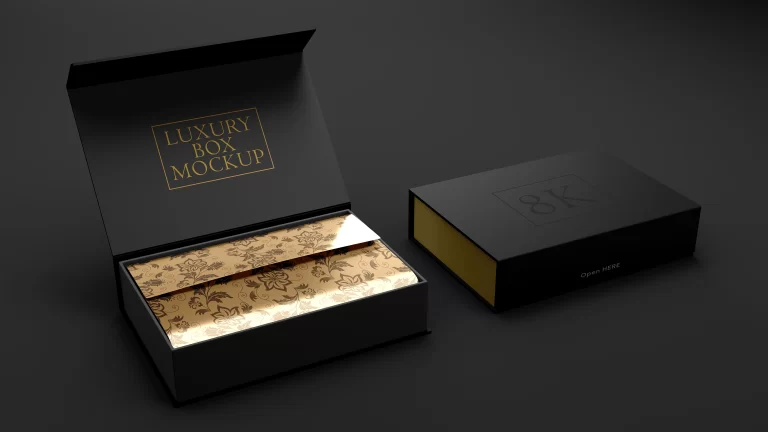
The packaging and presentation for these editions are as important as the product itself, something we think about a lot at the studio. When you’re designing for a high-end product, the unboxing experience is part of the brand promise. It’s why I created resources like my Luxury Box Mockup Template, to help designers visualize that premium feel.
Leica has also been incredibly savvy with its collaborations. They partner with tech giants like Xiaomi to put their lens expertise and color science into smartphones. This does two things: it introduces the Leica name to a massive new audience without diluting the core brand, and it generates revenue from licensing their heritage. You can read more about their history and philosophy on the official Leica website. They are leveraging their past to secure their future.
The Bottom Line
- Sell an Identity, Not a Product. Leica users aren’t just buying a camera; they’re buying into a legacy of art, craftsmanship, and a specific philosophy of photography.
- Turn Limitations into Features. By removing features and focusing on the core experience, Leica created a unique selling proposition in a market obsessed with more.
- Your Price Defines Your Brand. Exclusivity is a powerful tool. A premium price creates a premium brand, not the other way around. Don’t be afraid to charge what you’re worth.
Leica has proven that a brand with a strong story, a clear philosophy, and the courage to be different can not only survive but dominate. It’s a lesson every creative professional should take to heart. What we create should last, and so should the brand we build around it.
Frequently Asked Questions
Is a Leica camera technically better than a modern Nikon or Sony?
From a pure spec-sheet perspective—autofocus speed, video features, resolution—no. But that’s not the point. Leica competes on build quality, user experience, and brand heritage, not raw tech specs.
Can a small business or solo practitioner actually apply Leica’s strategy?
Absolutely. The core principles are universal: focus on a specific niche, tell an authentic story, build a superior quality product or service, and don’t compete on price. Own your corner of the market.
Why don’t other camera brands just copy Leica’s model?
Because you can’t fake a century of history and cultural significance. A brand like Leica is built over generations; it can’t be replicated with a new marketing campaign.