DaVinci Resolve 21: The Premium Creative's Guide to AI-Powered Photo Editing and Beyond
- Sinisa Zec Studio
- No Comments
- News, Photography
That jump between apps has always been a point of friction. A necessary evil. You export a TIFF from Lightroom, open it in Photoshop, do your work, save it, then import it into Resolve or After Effects if you need motion. It works, but it’s clumsy. And every export is a commitment—a point of no return for your color grade.
The Short Answer: DaVinci Resolve 21’s new Photo page is a serious, legitimate attempt to unify high-end photo and video workflows under one roof. It’s not a full Photoshop replacement yet, but for 80% of what a working photographer does, it centralizes the process with powerful AI tools that assist, not create.
The Problem Resolve Is Actually Solving
Let’s be clear. The world doesn’t need another basic photo editor. What we need is a smarter workflow. For over 15 years, I’ve managed projects that started as a photoshoot, became a branding package, and ended as a series of video ads. The assets have to live in different software ecosystems, and keeping color and tone consistent is a constant, manual battle.
I once had a client project—a series of portraits for a luxury brand—where we needed to create simple parallax video ads from the stills. I did my initial grade in Lightroom, refined in Photoshop, then brought the layered PSD into After Effects. The color science between Adobe’s photo and video engines rendered the tones slightly differently. The client, who had a ridiculously sharp eye, noticed the shift. I spent half a day re-grading in two different programs to get a perfect match. It was inefficient and maddening.
This is the fragmentation DaVinci Resolve 21 targets. It offers a single environment where your RAW photo, your video clips, your audio, and your motion graphics can all share the same color management and toolset. That’s not just convenient; it’s a production discipline, much like the prepress work I learned in the print shop. Get the foundation right, and everything that follows is easier.
Inside the New Photo Page: What You Get
When you open Resolve 21, you’ll see the new “Photo” tab alongside the familiar Cut, Edit, Fusion, Color, Fairlight, and Deliver pages. It’s designed to feel intuitive to anyone who has used Lightroom or Capture One. You get all the expected controls for exposure, contrast, color balance, and curves. It handles RAW files natively, and my Nikon Z6 III .NEF files loaded without a hitch.
But the standard controls aren’t the story. The real power is in how it leverages Resolve’s existing DaVinci Neural Engine AI. Here’s what stands out:
- Color Slice and Film Look Creator: These are borrowed directly from the Color page. The ability to apply a consistent, cinematic grade across both stills and video from the exact same tool is huge. No more ‘close enough’ matching.
- AI-Powered Masking: The Magic Mask tool, already a beast for video, is here for photos. You can isolate a person, a face, or an object with a single click. It’s fast and impressively accurate, making localized adjustments much quicker than manual brushing.
- Face Refinement Tools: Another carryover from the video toolset. It automatically detects faces and gives you subtle controls for skin smoothing, eye sharpening, and blemish removal. This is where my opinion on AI gets very specific: I use it as a starting point. It does the tedious masking work, but I control the intensity. AI should be a tool that serves the artist’s vision, not a one-click button that produces a generic, plastic look. Resolve handles this responsibly.
These tools aren’t about generating images from a text prompt. They are about accelerating the tedious, technical parts of the editing process so you can focus on the creative decisions. It’s AI as an assistant, which is exactly how it should be.
Where It Fits in a Professional Workflow
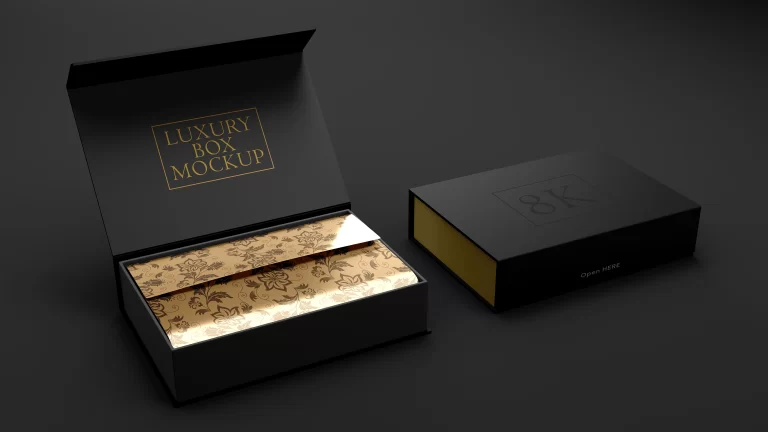
So, am I deleting my Adobe subscription? Not today. Photoshop’s pixel-based manipulation, complex compositing, and text tools are still unmatched. If I’m designing a complex piece of packaging, like this luxury box mockup, I’m still in Photoshop and Illustrator.
But for my photography work? Resolve 21 makes a compelling case. For portrait sessions, event photography, and even product shots, I can now do my culling, RAW development, color grading, and basic retouching all in one place. And if that photoshoot needs to become a video, I just click over to the Edit page. The grade, the assets, everything is already there.
It represents a fundamental shift from a file-based workflow (exporting and importing) to a project-based workflow. The official Blackmagic Design page frames it as an all-in-one solution, and for a huge number of creatives, it’s getting incredibly close to that reality.
The Bottom Line
- It’s a Workflow Consolidator, Not a Photoshop Killer. Resolve 21’s strength isn’t just editing photos; it’s editing photos within a larger ecosystem of video, color, and sound. That’s its unique advantage.
- The AI is Implemented as a Proper Tool. Blackmagic has focused its Neural Engine on speeding up manual tasks like masking and tracking. It augments the artist’s control rather than trying to replace it. This is the only ethical and sustainable way forward for AI in our field.
- The Future is Integrated. The real innovation here is the death of the round-trip. For independent creatives and small studios who do both photo and video, this unified approach saves time, reduces errors, and maintains creative consistency. It’s a smarter way to work.
DaVinci Resolve 21 is an ambitious and, frankly, impressive step forward. It respects the creative’s workflow by centralizing it, and it uses AI to remove friction, not creativity. It’s a tool built by people who clearly understand the pains of modern digital production, and it has absolutely earned a place in my toolkit.
If you’re a multi-disciplinary creative, this isn’t just another update. It’s a sign of where the entire industry is heading.
Frequently Asked Questions
Can DaVinci Resolve 21 replace Lightroom and Photoshop entirely?
Not yet. It’s a powerful replacement for Lightroom’s RAW development and color grading, but it lacks Photoshop’s deep compositing, text, and graphic design tools. For a photo-centric workflow, you’ll likely still need Photoshop for heavy retouching.
Is the free version of DaVinci Resolve 21 good enough for photo editing?
The free version includes the new Photo page and most of its core features. However, the most powerful DaVinci Neural Engine AI tools, like Magic Mask and Face Refinement, are exclusive to the paid Studio version.
How does the AI masking in Resolve compare to Adobe’s?
It’s very competitive. Resolve’s Magic Mask is incredibly fast and excels at tracking subjects through video, a technology that translates well to still images. For subject and sky detection, both platforms are excellent, but Resolve’s granular control within the Color page gives it a unique edge for graders.