Leica Cine Compact 1 Projector: A Pro's Perspective on Portable Powerhouse Projection for 2026
Client presentations are a special kind of hell. We spend weeks perfecting color on calibrated monitors, only to watch our work get butchered by a cheap, color-cast office projector that makes our bold reds look like muddy oranges.
- Sinisa Zec Studio
- No Comments
- Gear & Equipment, Photography
We’ve all been there. You’re in the final pitch, the culmination of a massive branding project. You’ve poured everything into getting the color palette just right—that specific, deep navy that speaks to stability and trust. And then the client’s ancient conference room projector fires it onto the screen as a washed-out, sickly purple. The energy just deflates. After 15 years in this business, starting from my early days in a print shop where color mismatch meant re-running an entire job, that feeling is something I actively work to avoid.
The Short Answer: The Leica Cine Compact 1, based on its impressive specifications, offers professional-grade color accuracy in a portable form factor that could finally solve the presentation problem for serious creatives. But its success in a studio environment will depend entirely on whether its performance justifies a price tag that will likely be substantial.
The Promise of Perfect Color, Anywhere
Leica entering any new space brings a certain weight of expectation. Their reputation is built on world-class optics and precision engineering—and an unapologetically premium price. When I hear they’ve released a new compact projector, my immediate reaction is a mix of intrigue and heavy skepticism. Is this a genuine tool for professionals, or another luxury gadget for home cinemas?
The core technology here is what catches my eye: a triple RGB laser light source. Unlike traditional lamp or even single-laser projectors that use a color wheel, a triple laser system generates pure red, green, and blue light independently. This is a big deal. It allows for an incredibly wide color gamut, with Leica claiming 100% coverage of the BT.2020 color space. To put that in perspective, BT.2020 is a massive color space that covers more real-world colors than the DCI-P3 standard used in cinema. For designers and photographers, this means the potential to project images with a color fidelity that rivals our high-end reference monitors. We’re talking about finally being able to show a client the *actual* color palette, not just a sad approximation.
It also supports formats like Dolby Vision and HDR10+, which tells me it’s built to handle high-contrast, nuanced imagery—essential for reviewing photography or detailed UI/UX work. My own photography style leans dark and moody, and preserving shadow detail is non-negotiable. A projector that crushes blacks or blows out highlights is a non-starter.
Technical Specifications
Since this is a new product for 2026, I’m analyzing the published specifications. This isn’t a hands-on field test, but an assessment of its potential role in a professional workflow based on the engineering data available.
| Feature | Specification |
|---|---|
| Model | Leica Cine Compact 1 |
| Resolution | 4K UHD (3840 x 2160) |
| Light Source | Triple RGB Laser |
| Brightness | 1,700 ANSI Lumens |
| Color Gamut | 100% BT.2020 |
| Lens | Leica Summicron Zoom (Aspherical Elements) |
| HDR Support | Dolby Vision, HDR10+, HLG |
| Connectivity | HDMI 2.1 (eARC), USB, Wi-Fi 6, Bluetooth, Apple AirPlay |
| Sound | 20W 2.0 System, Dolby Digital Plus |
| Dimensions | 8.2 x 8.9 x 7.6 in |
| Weight | 9.7 lbs (Approx. 4.4 kg) |
| Lamp Life | Up to 25,000 hours |
Where It Fits in a Professional Workflow
So, where does a tool like this actually live in a studio like mine? I see two primary applications.
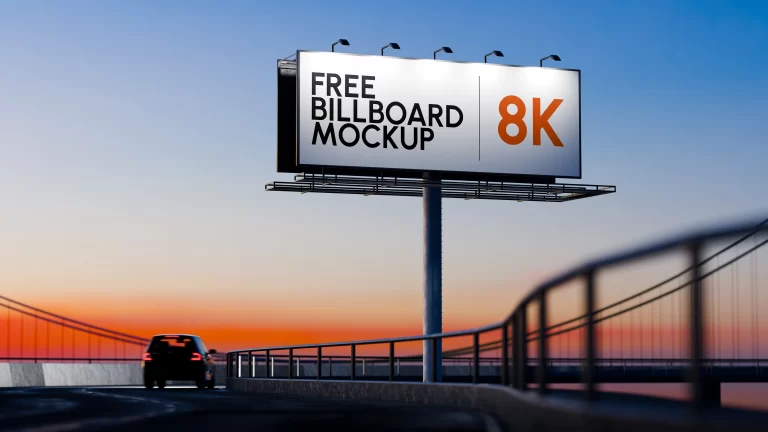
First, the client presentation. Its compact size and weight (under 10 lbs) make it genuinely portable. You can take it to a client’s office and control the presentation environment. No more gambling on their terrible equipment. Imagine presenting a full branding package—from the logo to the website prototype—on a 100-inch screen with perfect color fidelity. You could even showcase how a design looks on different mockups, like my 8K Highway Billboard Mockup, at a scale that feels real. That’s not just a presentation; it’s an experience.
Second, internal creative reviews. At Sinisa Zec Studio, we often pin up printouts for review. A projector like this could digitize that process. We could project a full gallery of photos from a recent shoot, review a UI design from Figma at scale, or watch a video edit from DaVinci Resolve together without crowding around a single monitor. The 1,700 ANSI lumen brightness is respectable for a compact unit, and should be sufficient for a room with controlled lighting—but it’s not going to overcome a sun-drenched office. That’s a key limitation to be aware of.
The Reality Check: Is It a Tool or a Toy?
I’m a Nikon shooter. I value gear that is durable and functional, a tool that gets the job done without fuss. My Godox strobes and Sigma Art lenses are workhorses. The big question for the Leica Cine Compact 1 is whether it can justify its inevitable cost as a workhorse. The price is slated to be around $1,995, which is premium but not astronomical compared to high-end displays.
Let’s be blunt. For the price of a high-end projector, you can buy an excellent, professionally calibrated 4K monitor. The projector’s value isn’t in replacing that monitor for creation, but in augmenting it for presentation and review. Can you bill clients more because your presentations are better? Can you save time on revisions because color was approved correctly the first time? That’s the ROI calculation a studio owner has to make.
The 25,000-hour lifespan of the laser source is a strong point in its favor. That means no expensive lamps to replace every couple of years. It’s a long-term investment. But I’m also pragmatic. I’ve seen enough “revolutionary” tech fail in a real production environment. Can it handle being packed and unpacked? Are the auto-keystone and autofocus features fast and reliable enough to not be a gimmick? These are the questions that separate a professional tool from a high-end consumer toy.
My Verdict
- The Color is the Killer App. The triple RGB laser’s ability to hit 100% of the BT.2020 gamut is the single most compelling feature for any visual professional. If it delivers on this promise, it solves a massive, expensive problem.
- It’s a Presentation Tool, Not a Creation Tool. This will not replace your calibrated EIZO or Apple Pro Display XDR for the actual work of design or photo editing. It’s for showing that work to others, and its value must be judged on that specific task.
- The Price Demands Real-World Durability. For nearly two thousand dollars, this projector needs to be more than just a pretty object. It needs to be a reliable, road-ready piece of kit that can survive the demands of a working studio, not just a pristine home theater.
The Leica Cine Compact 1 is an intriguing piece of engineering. It has the potential to be a genuinely useful tool that elevates how we present our work. But as with any piece of gear, the proof isn’t in the spec sheet—it’s in the execution. For now, I’m watching with cautious optimism.
For more design resources and professional-grade assets, check out our collection of free mockups, including this Apple Pro Display XDR Mockup to showcase your UI/UX designs. And be sure to subscribe for more deep dives into the tools that shape our creative world.
Photo by Patrick Langwallner on Unsplash.
Frequently Asked Questions
How does a triple laser projector differ from a standard lamp projector for color work?
A triple RGB laser generates pure red, green, and blue light directly, allowing it to produce a much wider and more accurate range of colors (a wider color gamut) than a lamp projector, which uses a single white light source and a spinning color wheel. This means more faithful reproduction of brand colors and photographic detail.
Is 1,700 lumens bright enough for a design studio?
It’s sufficient for a dark or dimly lit room, which is ideal for a critical presentation. However, it will likely struggle in a bright, sunlit office, where ambient light will wash out the image and reduce contrast. For best results, you’ll need to control the lighting.
Can this projector be used for final color grading of video or photos?
No. While its color reproduction is excellent for presentations and reviews, final, critical color work should always be done on a properly calibrated professional reference monitor in a controlled environment. A projector is a presentation device, not a primary grading tool.
What does a 25,000-hour laser lifespan mean in practical terms?
It means the light source is effectively maintenance-free for the life of the product. If you used it for 8 hours every single business day, it would still last for over 12 years before the light source degrades significantly, unlike lamp-based projectors that require costly bulb replacements.