AI's Impact on Typography: Will Generative Tools Kill the Art of Font Selection, or Elevate It for Modern Designers?
- Sinisa Zec Studio
- No Comments
- Graphic Design, Typography
I’ve spent hours, sometimes days, agonizing over the perfect typeface for a brand. Is this serif too formal? Does that sans-serif feel too cold? It’s a process of intuition, strategy, and a deep understanding of history and emotion. And now, an algorithm promises to do it in seconds. The question on every designer’s mind is a simple one: are we obsolete?
The Short Answer: No. AI won’t kill the art of font selection. It will, however, mercilessly expose lazy designers and become an incredible co-pilot for those who actually know their craft.
The Panic Room: Why Designers Fear the Algorithm
The fear is understandable. You feed a prompt into a tool—”logo for a sustainable coffee brand, earthy and modern”—and it spits out a dozen font pairings. It’s fast. It’s convenient. And for a client who doesn’t know the difference between Garamond and Georgia, it might even look “good enough.”
This is the heart of the anxiety: that our nuanced, strategic decisions will be replaced by a machine’s statistical approximation of what looks pleasant. That the world will be flooded with a new kind of soulless minimalism, algorithmically generated and perfectly bland.
But this fear assumes the machine is the artist. I don’t buy it. Never have.
A Tool, Not a Typographer
My career started on the floor of a print shop. I learned design with the smell of ink in the air and the unforgiving reality of the press. You learn fast that typography isn’t just about pixels on a screen. It’s about how ink spreads on paper, how a font holds up on a massive billboard, or how it feels laser-etched into wood. An AI has no concept of this physicality. It hasn’t seen a poorly kerned headline get butchered in production.
An AI font-pairing tool is like a calculator. It can perform complex calculations instantly, but it can’t tell you *which* problem needs solving. It doesn’t understand your client’s business, the brand’s history, the target audience’s psychology, or the emotional weight a specific typeface carries.
Can it pair a serif and a sans-serif that follow the rules? Absolutely. But it can’t tell you *why* you should break those rules. It doesn’t know that the slight awkwardness of a particular font might be the exact source of its charm and the perfect fit for a quirky, independent brand. That’s not code; that’s taste. That’s experience.
Where AI Actually Helps (If You Know What You’re Doing)
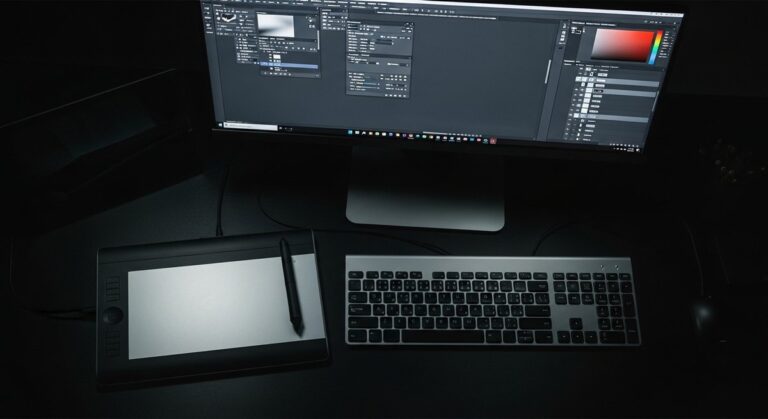
I’m not anti-tool. I use Adobe Illustrator and Figma every single day. The key is to remain the artist in charge. And from that perspective, AI can be a powerful assistant, not a replacement.
Here’s where it has potential:
- Breaking the Block: Staring at the same five favorite fonts? An AI can generate hundreds of unexpected pairings in a minute, acting as a powerful brainstorming partner to jolt you out of a creative rut. You don’t have to use its suggestions, but they might lead you down a path you hadn’t considered.
- Technical Grunt Work: I can see a future where AI tools are brilliant for handling the tedious parts of typography. Imagine an assistant that instantly checks your chosen font pairings for WCAG accessibility compliance across different color backgrounds. That’s not replacing creativity; it’s freeing you up to focus on it.
- Visualizing Complexity: Exploring the thousands of potential styles within a variable font can be clunky. An AI could create dynamic previews in mockups instantly, making it easier to harness the full power of modern typefaces. Think of it as a supercharged preview engine.
The Real Danger Isn’t AI—It’s a Lack of Craft
Here’s the hard truth. If your entire font selection process can be replaced by a simple text prompt, the problem isn’t the AI. The problem is your process.
The designer who just grabs the most popular font off Google Fonts without a second thought is the one who should be worried. Their work is already algorithmic. The AI is just faster at being generic.
For the rest of us, this is an opportunity. An opportunity to double down on what the machine can’t do. To deepen our understanding of typographic history, to learn the stories behind the foundries, and to make choices rooted in strategy and human connection. The designer who can articulate *why* Caslon feels authoritative and trustworthy, or why a geometric sans-serif communicates technological precision, will always be more valuable than an algorithm that just says, “these two look nice together.” For a deeper dive into the principles that AI can’t replicate, the AIGA’s resources on typography are a good place to start.
The future of design isn’t about fighting the tools. It’s about being so good at your craft that you’re the one telling the tools what to do.
My Verdict
- AI is a powerful assistant for rapid brainstorming and technical checks, but a terrible creative director.
- Relying on AI for final font decisions is a career dead end. It will only commoditize your work.
- The designer’s value is—and always will be—in strategy, context, and taste. The machine doesn’t have a point of view. You do.