The MacBook Neo: Is Apple's 'Cheapest Ever' Laptop a Hidden Gem for Budget-Conscious Creatives, or a Compromise Too Far?
- Sinisa Zec Studio
- No Comments
- Graphic Design, The Design Business
When Apple announced the MacBook Neo, my first thought wasn’t about the price. It was about the chip. An A-series chip, the same family that powers the iPhone, in a Mac. It’s a bold move. It’s also a massive gamble for anyone whose income depends on apps like Adobe Photoshop or DaVinci Resolve.
The Short Answer: The MacBook Neo is a fantastic secondary machine for light creative work, but its non-negotiable 8GB of RAM and severely limited ports make it a dangerous primary tool for most serious designers and photographers.
The Pitch vs. The Reality
Apple pitched this as a return to accessibility, with a starting price of $599. But just a few months post-launch, a $100 price hike blamed on ‘global memory shortages’ already tarnishes that narrative. Now starting at $699, it’s creeping away from impulse-buy territory and into the space where you have to seriously weigh its compromises.
This isn’t just a cheaper MacBook Air. It’s a different machine, built on a different philosophy. And for creatives, that philosophy is what matters.
The A18 Pro Chip: An iPhone Engine in a Laptop Chassis
Let’s be clear. The A18 Pro is an impressive piece of silicon—for a phone. Its 6-core CPU and 5-core GPU are incredibly efficient, allowing for the fanless design that makes the Neo so silent and portable. For many tasks, it’s more than enough. If your primary work is in Figma, writing copy, or doing initial photo culling in Lightroom, you’ll probably find it perfectly snappy.
But I don’t just use Figma. My days are spent in Photoshop with massive, layered composites from my Nikon Z6 III, in Illustrator building complex vector work, and in DaVinci Resolve cutting video. This is where the difference between an A-series and an M-series chip becomes painfully obvious.
The A18 Pro has a dedicated Media Engine, which is great for video playback and some encoding. But the raw computational muscle for heavy filters, complex renders, and large file manipulation isn’t in the same league as even the base M-series chips. It’s built for efficiency first, power second. For a professional, that’s a backward priority list.
The Unforgivable Compromise: 8GB of RAM
If the A18 Pro is a concern, the memory is a dealbreaker. The MacBook Neo comes with 8GB of unified memory. Period. There is no option to upgrade.
This is the single biggest red flag for any creative professional. I remember my early days in a print shop, trying to get massive banner files to process on machines with 16GB of RAM and watching them grind to a halt. Modern creative applications are memory hogs. Adobe’s own system requirements list 16GB as the *recommended* amount for Photoshop. Running it on 8GB means you’ll be hitting the swap memory constantly, slowing your workflow to a crawl and causing unnecessary wear on the SSD.
For a UI designer working on a simple app, 8GB might be fine. For a photographer editing a batch of 50-megapixel RAW files or a designer building a print-ready brochure with high-res images, 8GB isn’t a compromise. It’s a production bottleneck waiting to happen.
A Closer Look at the Cuts
Display and Design
The 13-inch Liquid Retina display is sharp and the 500 nits of brightness is decent for indoor work. The 3:2 aspect ratio is a nice touch for productivity, giving you more vertical space. And I have to admit, seeing a MacBook without a notch is refreshing. The colors are fun, too. But at the end of the day, it’s a standard 60Hz panel. It gets the job done, but it’s nothing special.
The Port Situation is a Problem
Here’s another major issue. You get two USB-C ports. But look closer. One is a USB 10Gbps port that also handles DisplayPort. The other is a sluggish USB 2.0 port. USB 2.0. In 2026.
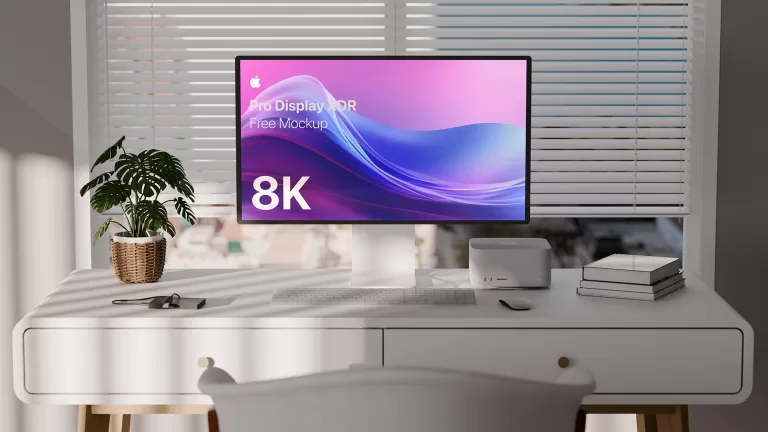
For a photographer who needs to connect a card reader, an external SSD for a working library, and maybe a monitor, this is a nightmare. It means you’re living the dongle life, and one of your ports is barely fast enough for a mouse. It also only supports a single external display up to 4K. If you’re using something like an Apple Pro Display XDR, you’re not even getting its native resolution. This is a huge limitation for anyone who relies on a multi-monitor setup for their workflow.
Keyboard and Security
The base 256GB model doesn’t have a backlit keyboard. This feels like a petty, infuriating omission to push people to the higher-priced model. That more expensive 512GB model is also the only way to get Touch ID. Otherwise, you’re stuck with a standard lock button. These aren’t critical features, but their absence on the base model feels cheap.
So, Who Is This Actually For?
The specs make it clear. The MacBook Neo isn’t a tool for the working professional who needs a single, do-it-all machine. It’s just not.
It’s a potential hidden gem for:
- Students: For writing papers, browsing, and light creative projects, it’s a fantastic, affordable entry into the Mac ecosystem.
- UI/UX Designers (Figma-centric): If your workflow is almost entirely browser-based in a tool like Figma, the Neo has enough power.
- Writers & Journalists: The excellent keyboard and great battery life make it a superb writing machine.
- As a Secondary Machine: For a professional photographer like me, I could see this being a great little laptop for travel—culling images on a plane, answering emails, and doing quick edits without hauling my main workhorse around.
It’s a compromise too far for:
- Professional Photographers: The 8GB RAM limit and slow second port make managing large RAW files and heavy edits deeply impractical.
- Video Editors: Don’t even think about it for serious 4K editing.
- Graphic Designers: Anyone working with large-format print files, complex illustrations, or heavy Photoshop composites will find this machine frustratingly slow.
- 3D Artists: The GPU and RAM are simply not equipped for this kind of work.
Technical Specifications
| Feature | Specification |
|---|---|
| Model | MacBook Neo (A3404) |
| Chip | Apple A18 Pro |
| CPU | 6‑core (2 performance, 4 efficiency) |
| GPU | 5‑core |
| Neural Engine | 16-core |
| Memory | 8GB unified memory |
| Memory Bandwidth | 60GB/s |
| Storage | 256GB or 512GB SSD |
| Display | 13.0-inch Liquid Retina display (LED, IPS) |
| Resolution | 2408‑by‑1506 at 219 ppi |
| Brightness | 500 nits |
| Refresh Rate | 60Hz |
| Ports | 1 × USB 10Gbps (USB‑C), 1 × USB 2.0 (USB‑C), 3.5 mm audio jack |
| External Display Support | One external display up to 4K at 60Hz |
| Camera | 1080p FaceTime HD camera |
| Wireless | Wi-Fi 6E (802.11ax), Bluetooth 5.3 |
| Keyboard | Magic Keyboard (backlight not on base model) |
| Security | Touch ID (512GB model only) |
| Battery | 36.5‑watt‑hour lithium‑ion |
| Dimensions | 0.50″ x 11.71″ x 8.12″ (1.27 x 29.75 x 20.64 cm) |
| Weight | 2.7 pounds (1.23 kg) |
| Finish | Silver, Blush, Citrus, Indigo |
Check Current Prices & Availability
Gear pricing fluctuates constantly. If you are seriously considering adding this to your kit, check the current retail stock and pricing through the links below:
My Verdict
- A Tool for a Specific Job. The MacBook Neo is not a ‘Pro’ laptop in disguise. It’s an excellent, highly-portable machine for light creative tasks, writing, and web-based work. Treat it as such.
- The RAM is a Red Line. The fixed 8GB of memory is the single biggest factor that prevents me from recommending this as a primary computer for any serious visual creative.
- Beware the Hidden Costs. The compromises—the slow port, the lack of a backlight on the base model, the need for dongles—mean the sticker price isn’t the final price for a functional workflow. Factor that in before you buy.
Photo by Kamil Switalski on Unsplash.
Frequently Asked Questions
Is the MacBook Neo powerful enough for professional photo editing?
A:For light editing like basic adjustments and culling in Lightroom, yes. For heavy Photoshop work with multiple layers, large RAW files, or focus stacking, the 8GB of RAM will be a significant bottleneck and I wouldn’t recommend it.
Can I use the MacBook Neo for graphic design?
A:It depends on your work. For web design in Figma or simple vector work in Illustrator, it’s capable. For complex print design, packaging, or projects with many high-resolution linked images, the limited RAM and processing power will be frustrating.
Should I buy the 256GB or 512GB MacBook Neo model?
A:If you’re considering the Neo, I’d strongly suggest the 512GB model. Not only for the extra storage, which you’ll need, but because it’s the only way to get Touch ID and escape the base model’s other cheap-outs.