The Zeiss Otus Design Secret: Is Cosina Crafting Your Next Premium Lens?
- Sinisa Zec Studio
- No Comments
- Photography, Rumors
The Short Answer: Yes, the evidence is overwhelming that Cosina, a Japanese manufacturer, is not only producing but also designing lenses for the prestigious Zeiss Otus line. This isn’t just a partnership; it’s a fundamental outsourcing of what many believe to be the core value of the Zeiss brand.
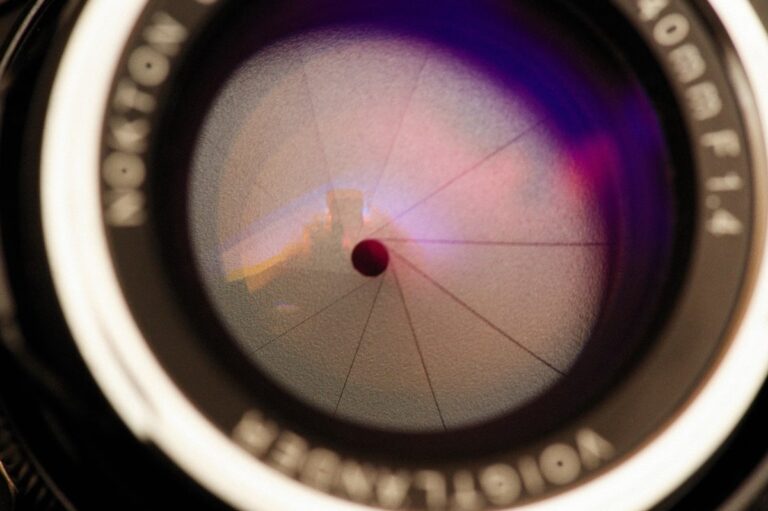
Let’s get one thing straight. This isn’t a hit piece on Cosina. Far from it. Cosina is a manufacturing titan, known for producing excellent glass for decades. They’re the hands behind countless lenses, including for Nikon, Canon, and their own revived Voigtländer brand. They have a long-standing technical tie-up with Carl Zeiss AG, dating back to 2005. I have deep respect for manufacturers who can produce quality at scale—it’s a discipline I learned firsthand during my early years in a high-volume print shop. Production is hard. Good production is an art.
But this isn’t about Cosina’s quality. It’s about transparency and brand promise.
The Patent That Spilled the Beans
A recently published Japanese patent (JP2026-093473) explicitly links Cosina to a new Zeiss Otus ML 85mm f/1.4 lens design. This isn’t just a rumor circulating on forums; it’s a public document. For years, it’s been an open secret that Cosina manufactures many Zeiss lenses, including the Otus, Milvus, and Classic series. Most of Zeiss’s consumer photography lenses, even the ultra-expensive Otus line, are made in Japan, not Germany. This patent, however, goes a step further by suggesting Cosina’s deep involvement in the optical design phase, a task many buyers assume is handled exclusively in-house at Zeiss headquarters in Oberkochen.
This is where the story gets complicated. The Otus line is marketed as the absolute pinnacle of optical performance, the result of over 125 years of Zeiss expertise. The marketing language is clear: it promises an uncompromising vision, a standard of quality from a legendary German optics house. And the price tag reflects that promise, often running into thousands of dollars.
But if the lens is designed and manufactured by a separate Japanese company, what exactly are you paying a premium for? The T* coating? The quality control process? Or is it the blue badge itself—a branding Trojan horse that adds a massive surcharge to what is, fundamentally, a Cosina-built lens?
Brand Prestige vs. Manufacturing Reality
I’ve always been skeptical of gear worship. I shoot with Sigma Art lenses on my Nikon Z6 III not just because they’re sharp, but because the value proposition is crystal clear. I know what I’m getting: a lens designed and built by Sigma, sold at a Sigma price. There’s no ambiguity.
The Zeiss-Cosina relationship feels different. It feels opaque. While Zeiss undoubtedly provides specifications and maintains strict quality control, the line between collaborator and original equipment manufacturer (OEM) has blurred. Cosina has a long history of being the silent partner, building cameras and lenses for dozens of other brands. The issue arises when the brand on the box implies a level of in-house manufacturing that doesn’t align with reality. It creates a disconnect between the story sold to the customer and the product’s actual origin.
Does it matter if the lens is brilliant? Of course. A great image is a great image. But for many professionals and enthusiasts, the story behind the gear—the heritage, the engineering, the brand’s direct hand in the craft—is part of the value. When you discover that the ‘German masterpiece’ was primarily engineered and built elsewhere, it can feel like a betrayal of that trust. It makes you question the premium you paid.
This isn’t new, of course. Outsourcing is a global standard. But in the world of luxury goods, which is precisely where the Otus line sits, provenance is everything. You don’t buy a Swiss watch expecting the movement to be made in a different country by a different company. The same principle should apply to a lens that costs as much as a used car.
Check Current Prices & Availability
Gear pricing fluctuates constantly. If you are seriously considering adding this to your kit, check the current retail stock and pricing through the links below:
What Actually Matters
- Transparency is Non-Negotiable. Premium brands owe their customers the truth about where and how their products are made. Hiding behind a licensing deal while charging a massive premium for in-house prestige is deceptive.
- The Badge Doesn’t Make the Photo. This news is a stark reminder that you should judge a lens by the images it produces, not the name engraved on the barrel. But you should also judge its price by its true origin.
- Value is More Than Performance. A lens can be optically perfect and still be a questionable value. If a similar-performing lens from the actual manufacturer (Cosina/Voigtländer) costs a fraction of the price, the premium is for marketing, not magic.
Photo by Nguyen Huy on Pexels.