Unveiling the Narrative: Crafting Environmental Portraits with Intent and Impact
- Sinisa Zec Studio
- No Comments
- Photography, Tutorials & Techniques
A lot of photographers think an environmental portrait just means taking a picture of someone outside of a studio. They’re wrong. It’s not about the background. It’s about the context. The environment isn’t wallpaper; it’s a co-author of your subject’s story.
Key Takeaways
- The environment is a character, not a backdrop. Treat it with the same importance as your subject.
- Light tells the emotional story. Use it to shape the mood, not just to expose the image.
- Directing is a dialogue. Collaborate with your subject to find authentic moments within their space.
1. The Environment as Your Co-Author
Before I even think about my camera, I study the space. A painter in their studio, a chef in their kitchen, a CEO in their office—these locations are saturated with narrative clues. The organized chaos of an artist’s workbench says more than a clean headshot ever could. The worn leather of an executive’s chair hints at years of decisions made from that very spot.
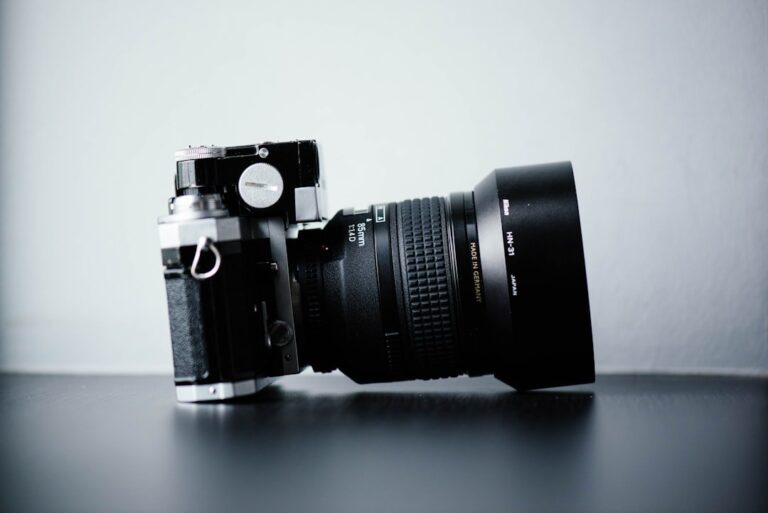
This is where so many photographers get it wrong. They obsess over the latest mirrorless camera with a million autofocus points. I’ve been a dedicated Nikon shooter for years, and while I value the durability and incredible color science of their sensors, I know my gear is just a tool. It doesn’t find the story for me. Your eye does that. Your brain does that.
My advice? Show up early. Walk the space alone. What objects stand out? Where does the light fall naturally? What does the room *feel* like? You are absorbing the context so you can translate it into a single, powerful frame. The goal is to create an image that holds attention, something that makes people stop scrolling. That requires substance, not just a shallow depth of field.
2. Lighting the Narrative
Lighting in an environmental portrait isn’t about achieving perfect, sterile exposure. It’s about mood. It’s about emotion. Are you trying to convey quiet contemplation or high-stakes pressure? The light dictates the answer.
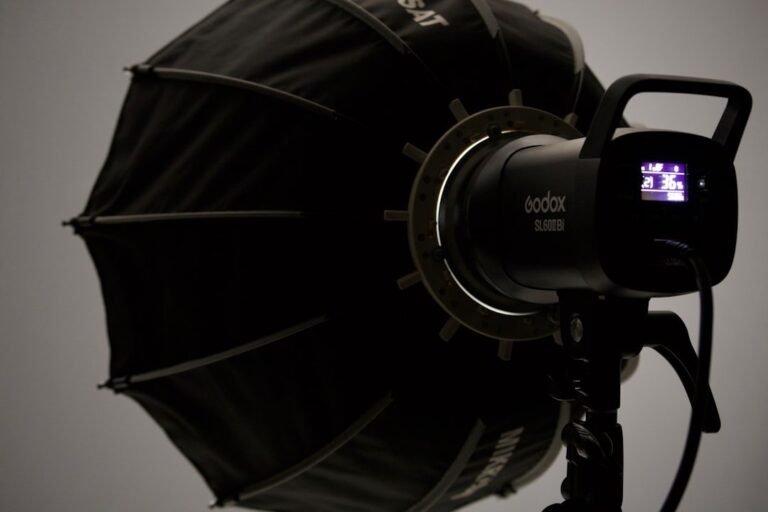
I often start with the available light. A single window can be the most powerful key light you’ll ever have. The soft, directional falloff can create a mood of intimacy or solitude. I might then bring in a single strobe, not to overpower the scene, but to gently lift the shadows or add a subtle accent that guides the viewer’s eye. I’m not building a world from scratch; I’m enhancing the one that already exists.
A portrait of a writer at their desk, illuminated only by the glow of their laptop and a sliver of moonlight from the window, tells a story of late-night dedication. Blasting them with three softboxes erases that entire narrative.
This is where trusting your gear comes in. I know my Nikon will render the subtle gradations and colors of a low-light scene with fidelity. I’m not fighting the sensor; I’m working with it to capture the authentic feeling of the space.
3. Composition Is Your Grammar
Composition arranges the elements of your story into a coherent sentence. While a classic 85mm or 105mm is great for isolating a subject, environmental portraits often call for wider lenses. A 35mm or even a 24mm lens can pull the environment into the frame, making it an active participant.
Think about how you place your subject within that environment. Don’t just stick them in the center. Use leading lines—a desk, a bookshelf, the architecture of the room—to draw the eye toward them. Frame your subject within natural frames like doorways or windows to add depth and a sense of place. The rule of thirds is a starting point, not a cage. The real goal is balance and narrative flow. Does the composition feel intentional? Does it guide the viewer through the story you want to tell?
4. A Dialogue, Not a Monologue
You can have the perfect location, light, and composition, but if your subject looks like a deer in headlights, the image fails. The final, and most important, piece is interaction. Your job is not to yell poses from behind the camera. It’s to start a conversation.
I never say, “Look here, smile.” Instead, I give prompts that are rooted in their reality. “Show me the tool you use most often.” “Sit in the chair where you do your best thinking.” “Walk me through your process.”
These prompts elicit natural gestures, authentic expressions, and genuine interactions with the space. The subject forgets they are being photographed and starts *being* themselves in their environment. That collaboration is where the magic happens. The final portrait becomes a testament to the trust you’ve built.
Ultimately, an environmental portrait is a deep responsibility. You are capturing a piece of someone’s identity. Do it with intent. Once you have that powerful image, the right post-processing can elevate the mood you’ve so carefully crafted. It’s why we offer a range of free Lightroom presets at Sinisa Zec Studio—to help you refine the narrative, not invent it.
Now go create something that lasts.
Photo by Suyash Batra on Unsplash.