Viltrox's 35mm f/1.2 LAB (N) Redesign: Was This Necessary, or Just Marketing?
- Sinisa Zec Studio
- No Comments
- Gear & Equipment, Photography
I get it. The gear cycle has to keep spinning. But when a company announces a redesigned product that is optically identical to the original, my skepticism kicks in immediately. Viltrox just launched the AF 35mm f/1.2 LAB N FE, a mouthful of a name for a lens that’s more of a side-step than a step forward.
The Short Answer: No, this redesign wasn’t necessary. It’s a lateral move for Viltrox, swapping a unique digital feature for a traditional analog one to target a different type of photographer—the purist who dislikes screens. It’s a preference play, not a performance upgrade.
What’s Actually Different? Not Much.
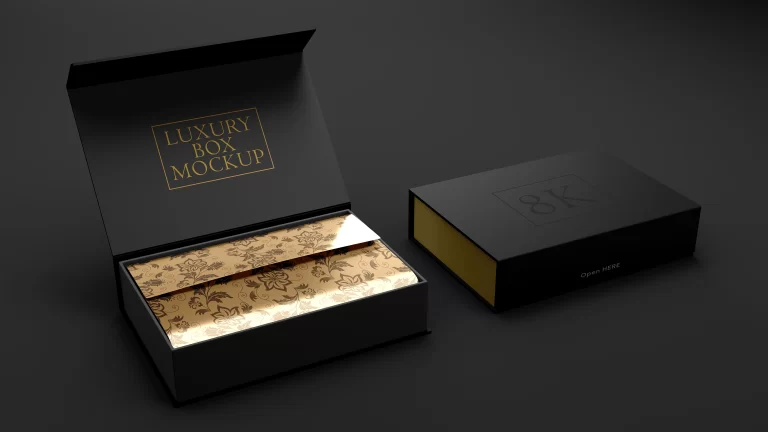
Let’s cut right to it. I’ve seen companies relaunch products with new packaging and call it an innovation. Just look at how many brands present their work using the same generic templates, like our luxury box mockups, and claim it’s a whole new identity. You have to look at what’s inside. In this case, Viltrox has made two significant changes to the lens body, while leaving the soul of the lens—the glass and the motors—completely untouched.
First, they removed the LCD information display. This was the original LAB lens’s party trick. It was a modern, if maybe a little gimmicky, feature that set it apart. Viltrox says this creates a “cleaner, more unified design.” I say it removes a feature some people might have actually liked. It feels like taking a tool out of the toolbox.
Second, and this is the one change I can get behind, they replaced the multi-function control ring with a dedicated, stepped aperture ring. It even has a click/de-click switch. Now *that* is a functional improvement. As someone who started when every lens had an aperture ring, the muscle memory is still there. I’ve lost count of the times I’ve instinctively reached to twist an aperture ring on a modern lens that doesn’t have one. It’s a tangible, real-world upgrade for photographers who want direct control without looking at a screen. It’s also a huge win for videographers who need that smooth, de-clicked pull.
But that’s it. The optical formula is identical: 15 elements in 10 groups. The autofocus motor is the same excellent Quad Hyper VCM system. The weight is down by a laughable 10 grams. This isn’t a version 2.0. It’s version 1.0b.
Addition by Subtraction, or Just Subtraction?
So who is this lens for? It’s not for owners of the original 35mm LAB. There is zero reason to sell your lens to buy this one, unless you absolutely despise the LCD screen and are desperate for a dedicated aperture ring.
This lens is for a very specific new customer. It’s for the enthusiast photographer who romanticizes the analog era. The shooter who wants the modern performance of a 2026 autofocus lens but the tactile experience of a 1980s manual prime. Viltrox is splitting its audience and offering two flavors of the same ice cream. One with digital sprinkles, one without.
From a business perspective, it makes some sense. You generate a new round of press and YouTube reviews for a product you’ve already developed. It’s a low-cost way to keep your brand in the conversation. But let’s not pretend it’s some grand innovation. Back in my print shop days, we learned that what matters is the final product. Does the file print correctly? Does the design work? The tools are just a means to an end. This change feels more about the tool’s *feeling* than its function.
For me, a Nikon shooter who relies on my Sigma Art primes, I look for tools that solve a problem. My Sigma 105mm Macro gets me detail I can’t get otherwise. My 150-600mm gets me reach. This Viltrox ‘N’ version doesn’t solve a new problem; it just offers a different way to solve the same old one. And by removing the screen, it arguably creates a new problem for those who found that information useful.
Technical Specifications
| Specification | Detail |
|---|---|
| Lens Mount | Sony E (FE) |
| Lens Format Coverage | Full Frame |
| Focal Length | 35mm |
| Aperture Range | f/1.2 to f/16 |
| Aperture Blades | 11 (rounded diaphragm) |
| Optical Design | 15 elements in 10 groups |
| Special Elements | 3 High Refractive (HR), 5 Extra-low Dispersion (ED), 2 Ultra Aspherical (UA) |
| Angle of View (Diagonal) | 64.2° |
| Minimum Focusing Distance | 0.34 m (13.4 inches) |
| Maximum Magnification Ratio | 0.17x (1:6.1) |
| Focus Type | Autofocus (AF) and Manual Focus (MF) switch |
| Autofocus Motor | Quad Hyper Voice Coil Motor (VCM) |
| Filter Diameter (Front) | 77mm |
| Dimensions (Diameter x Length) | 89.2 mm x 121.8 mm (3.5 x 4.8 inches) |
| Weight | 910g (32.1 oz) (without hood and caps) |
| Other Features | Dedicated aperture ring with click/de-click switch, Two function buttons, All-metal housing, Weather-sealed, Water- and smudge-resistant front coating, Micro USB port for firmware updates |
| Price | US$999 |
| Announcement Date | April 23, 2026 |
Check Current Prices & Availability
Considering this for your kit? Check current stock and pricing through the links below:
My Verdict
- The Aperture Ring is a Genuine Win. This is the one undeniably positive change. It provides tactile control that many working photographers, including myself, value highly.
- Removing the Screen is a Niche Choice. Calling this a universal improvement is a marketing spin. It simplifies the design at the cost of a unique feature. It’s a move for traditionalists, not a leap forward for technology.
- This is a Marketing Refresh, Not a Successor. Since the optics and AF are unchanged, this isn’t a V2 lens. It’s a variant designed to generate fresh buzz and appeal to a different segment of the market without the heavy cost of true R&D. It’s smart business, but let’s call it what it is.
Photo by Atahan Demir on Pexels.
Frequently Asked Questions
Is the new Viltrox 35mm f/1.2 LAB N optically better than the original?
No. According to Viltrox’s own specifications, the optical design, including the 15 elements in 10 groups, is identical to the original LAB lens. Image quality should be exactly the same.
Should I upgrade from the original 35mm f/1.2 LAB lens to the new ‘N’ version?
I wouldn’t recommend it. You would be trading a functional LCD screen for a dedicated aperture ring. Unless that specific tactile control is the single most important feature to you, it’s not an upgrade.
Who is the ideal customer for the Viltrox 35mm LAB N lens?
This lens is for new buyers who are photography purists. It’s for someone who wants top-tier optical performance and modern autofocus but prefers the traditional, screen-free, dial-based experience of older lenses.