Building a Premium Workflow: Photoshop Alternatives and Subscription-Free Creative Toolkits
- Sinisa Zec Studio
- No Comments
- Graphic Design, Tutorials
That monthly Creative Cloud bill hits my account like a tollbooth on a road I’m forced to drive. For years, it felt non-negotiable—the cost of doing business as a professional designer and photographer. But the landscape is shifting. As a solo creative, every recurring expense is a drag on profitability. It’s time we seriously re-evaluate the default.
The Short Answer: Yes, you can build a fully professional, premium-quality creative workflow without a single subscription. The key is investing in powerful one-time purchase software like the Affinity Suite and leveraging capable open-source tools to fill any gaps.
I’ve spent 15+ years in this industry, starting on the floor of a print shop where file integrity wasn’t a suggestion, it was a mandate. If a file didn’t print, you failed. That production-first discipline taught me one thing: the client doesn’t care what software you use. They care about the final product. The idea that you *must* use Photoshop to be a professional is marketing, not a technical reality.
The subscription model is fantastic for Adobe’s shareholders. For a freelancer trying to manage fluctuating income? It’s a constant pressure point. Forgetting to update a credit card and losing access to your core tools mid-project is a nightmare I’m sure some of you have faced. I certainly have. It’s a leash. I’m interested in tools, not leashes.
The Core of Your New Toolkit: The Affinity Trinity
If you’re looking for a one-to-one escape from Adobe, Serif’s Affinity suite is your answer. It’s not a cheap knock-off; it’s a legitimate, ground-up rebuild of what a modern creative suite should be. And you buy it once.
- Affinity Photo 2 (The Photoshop Replacement): This is the big one. It handles RAW development, compositing, retouching, focus stacking, HDR merging—everything you expect. It’s fast, the codebase feels modern, and it opens and saves PSDs with surprising accuracy. For 95% of my photo editing and design tasks, it’s a perfect replacement. The brush engine is excellent, and the live filters are non-destructive and fluid.
- Affinity Designer 2 (The Illustrator Killer): Designer is, in my opinion, even better than its Adobe counterpart in some areas. Its ability to switch between a vector workspace and a raster (pixel) workspace with a single click is brilliant. No more round-tripping between Illustrator and Photoshop to add a texture to a vector logo. It handles complex vector work flawlessly, which is critical for the branding and logo projects I take on.
- Affinity Publisher 2 (The InDesign Competitor): For page layout, brochures, and books, Publisher is the final piece. Its killer feature is StudioLink. If you own all three Affinity apps, you can access the full toolsets of Photo and Designer *directly inside* your Publisher document. You can edit a photo with Photo’s tools or tweak a vector with Designer’s tools without ever leaving your layout. It’s an incredibly efficient way to work.
The entire V2 suite is often on sale for a price that’s less than three months of a full Creative Cloud subscription. The value proposition is impossible to ignore.
The Open-Source Path: Power for Free (If You Have the Patience)
If your budget is zero, the open-source community has your back. But be prepared for a different kind of cost: time and a steeper learning curve.
- GIMP (GNU Image Manipulation Program): GIMP is the classic free alternative to Photoshop. It’s incredibly powerful, capable of professional-grade photo manipulation, and has a dedicated community. The main hurdle has always been its user interface, which can feel unintuitive if you’re coming from Adobe. But don’t dismiss it. For core tasks, it’s a beast.
- Krita: While often seen as a digital painting app, Krita has strong photo manipulation capabilities as well. Its brush engine is world-class, and it supports non-destructive editing through filter layers and masks. It’s a fantastic tool, especially for illustrators and concept artists looking to break free.
What About Lightroom? And File Compatibility?
This is a big question for photographers. Adobe has us locked into the Lightroom ecosystem. Affinity Photo has a solid RAW processor (the Develop Persona), but it’s not a cataloging tool. For that, you’ll need something else.
Perpetual license options like DxO PhotoLab or Skylum Luminar exist. The open-source world offers Darktable, which is a powerful asset manager and RAW developer, though it has a steep learning curve.
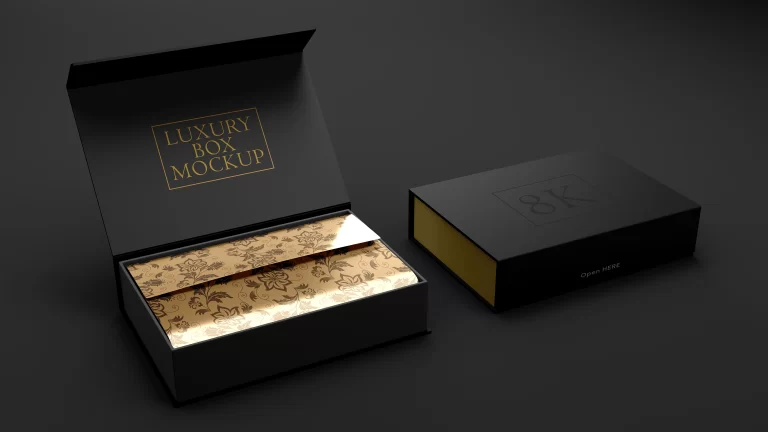
And the most important question: can these tools play nice in a world built on Adobe files? Mostly, yes. Affinity does a remarkable job of opening and saving PSDs, preserving layers, text, and effects. When I’m creating a complex product visualization, like my free Luxury Box Mockup Template, I need that compatibility. While some obscure smart filters might not translate perfectly, the core workflow is intact. You won’t be an island; you can still collaborate with Adobe-based colleagues.
A Reality Check: The Switch Isn’t Frictionless
I won’t lie to you. Moving away from a tool you’ve used for years requires un-learning muscle memory. You’ll spend time searching for tools that have moved or been renamed. There are gaps—Affinity’s plugin ecosystem isn’t as vast as Adobe’s, and certain high-end video integrations are missing.
But the freedom of owning your software is transformative. It encourages you to master the tool you have, not just rent the one everyone else uses. It shifts your mindset from being a software subscriber to being a craftsman who owns his toolkit. For the solo creative, that shift isn’t just philosophical—it’s financial. It’s more money in your pocket to invest in a better lens, a faster computer, or just… paying your bills without that recurring dread.
My Verdict
- The Subscription Isn’t Mandatory. Producing professional, high-end creative work is about your skill, not your software’s payment plan. Don’t let anyone tell you otherwise.
- Affinity Suite is the Answer. For over 90% of creatives looking to escape Adobe, the Affinity V2 suite is the most direct, powerful, and cost-effective replacement on the market. It’s a one-time purchase that pays for itself in a few months.
- Own Your Workflow. Building a toolkit you own, rather than rent, is a strategic business decision. It reduces overhead, removes dependency, and puts you back in control of your most essential creative assets.
Photo by dlxmedia.hu on Unsplash.
Frequently Asked Questions
Can I open my old Photoshop (PSD) and Illustrator (AI) files in Affinity software?
Yes. Affinity Photo has excellent support for opening, editing, and saving PSD files, preserving layers and most features. Affinity Designer can import AI files, though complex files may require some minor cleanup. It’s highly compatible for most professional workflows.
Is it difficult to switch from Adobe Photoshop to Affinity Photo?
There’s a learning curve, just like with any new software. However, the core concepts and many keyboard shortcuts are similar, making the transition easier for experienced users. Expect to spend a few days re-learning where your favorite tools are located.
Are these subscription-free tools good enough for professional print design?
Absolutely. Both the Affinity Suite and tools like GIMP offer full CMYK support, ICC profile management, and precise export options for print. My background is in a high-volume print shop, and these tools meet the professional standards required for production.
What is the best Lightroom alternative for cataloging photos without a subscription?
For pure cataloging and RAW development with a perpetual license, DxO PhotoLab is a strong contender. For a free, open-source option, Darktable is incredibly powerful but comes with a much steeper learning curve than Lightroom.