Fujifilm's GFX Challenge Grant 2026: The Unspoken Opportunity for Solo Pros (and Why You Should Apply NOW)
- Sinisa Zec Studio
- No Comments
- News, Photography
I’ve seen it for my entire 15-year career. A fantastic opportunity comes along, and the hardworking, bread-and-butter photographers—the ones shooting portraits, products, and events—count themselves out before they even start. The newly announced Fujifilm GFX Challenge Grant Program is one of those moments. And it’s a critical, time-sensitive opportunity you shouldn’t ignore.
The Short Answer: Fujifilm’s GFX Challenge Grant isn’t just about free gear; it’s a fully-funded opportunity to execute a major personal project that can redefine your portfolio and career. You should apply because it forces strategic thinking and provides the resources most solo pros lack.
Why We Ignore This (And Why We’re Wrong)
The excuses are always the same. “I don’t have time to write a proposal.” “I’ll never win.” “That’s for fine-art people.” This is the logic of an employee, not a business owner. And if you’re a solo pro, you are a business owner. The grant provides up to a $10,000 cash prize, complimentary use of a GFX System camera and two lenses, and mentorship from Fujifilm experts. Thinking of this as just a contest is the fundamental error. It’s not a lottery ticket; it’s funded R&D for your career.
I get it. Early in my journey, fresh out of the print shop and trying to get paid, I wouldn’t have given this a second look. The pressure to complete the next client project is immense. It’s easy to get stuck on a treadmill, churning out work without building a body of work that is truly *yours*. I made that mistake for years—focusing only on the immediate paycheck while my personal creative growth stagnated.
This grant is the circuit breaker. It’s a chance to get paid to do the work you’d do if you had the time and money.
It’s Not About the Gear. Mostly.
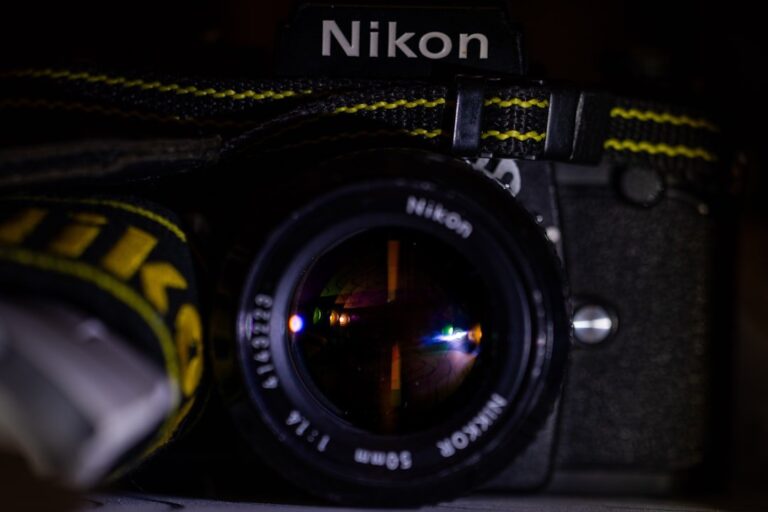
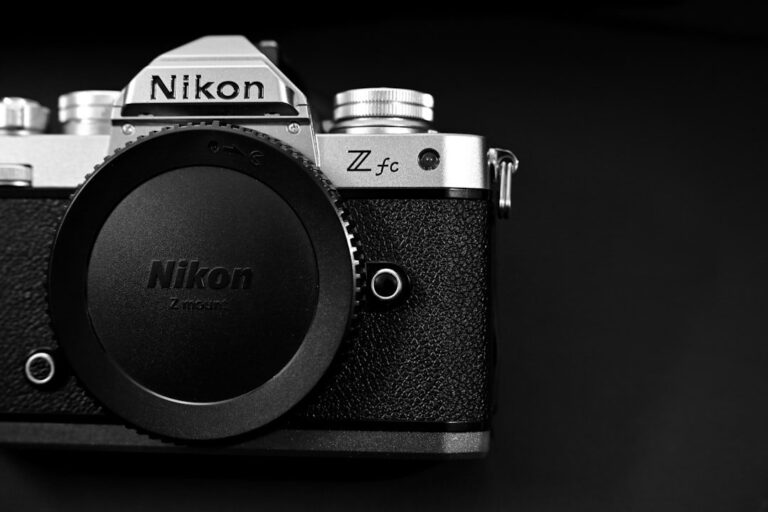
Okay, the gear is nice. A full GFX medium-format kit is a serious production tool. But I say this as a dedicated Nikon shooter who knows my Z6 III inside and out: the camera doesn’t make the photograph. My obsession is with light, angle, and composition. The most expensive gear in the world won’t save a bad idea. And that’s the point.
The real prize here isn’t the hardware. It’s the funded deadline. It’s the mandate to create. The grant forces you to think like a producer—to develop a concept, outline a budget, set a timeline, and execute. It’s the same production discipline I had beaten into me working prepress, where a badly planned file cost real money and real time. You have to deliver.
Fujifilm isn’t just giving away cameras; they are investing in creative projects that have a clear vision and a high likelihood of completion. They want to see what you can *do* with the tools, not just that you want to *have* them.
How to Frame Your Application—Strategically
The selection committee will be looking for a few key things, and they aren’t just pretty pictures. They’re looking for a solid plan.
- Have a Point. What is the story? What question are you exploring? “I want to take beautiful landscapes” is a hobby. “I want to document the disappearing coastline of X using the detail-rendering capabilities of the GFX system to create large-scale prints for a local exhibition” is a project. See the difference?
- Be a Producer. Your proposal must show you can pull this off. It needs a realistic timeline and a budget explaining how you’ll use the $5,000 or $10,000 grant. This is where a working pro has a massive advantage over a student. You know what things actually cost. You know how to schedule a shoot. Prove it on paper.
- Justify the GFX. Why does your project need a medium-format system? Is it for massive prints? Extreme detail? A specific look? Your idea should be appropriate for the gear you’re asking to borrow. Proposing a fast-paced sports project is a waste of everyone’s time.
The Real Win: A Career Blueprint
Here’s the part everyone misses: even if you don’t win, you win.
Writing a serious, well-researched project proposal is a valuable strategic exercise for your business. It forces you to stop being reactive and start being intentional about your creative direction. By the time you’re done, you have a blueprint for a personal project.
If you get the grant? Fantastic. If not? You still have the blueprint. You can pursue it on your own time, seek other funding, or use it as a guide for your personal work for the next year. You’ve already done the hard part—the strategic thinking. That document is an asset.
The deadline for the 2025 program (with winners announced in January 2026) was August 31, 2025, so you should be preparing for the next cycle now. Check the official Fujifilm GFX Challenge Grant Program page for the official announcement of the next cycle. Don’t wait until the last minute.
The Bottom Line
- Stop seeing grants as lotteries for other people. They are strategic business opportunities waiting for a sharp, practical plan.
- The real prize isn’t the camera; it’s the funded mandate to create meaningful work for your portfolio.
- Writing the proposal is a win in itself. It forces you to define your next creative step, turning vague ideas into a plan.